






China's Premier One-Stop Shoe Material Manufacturer
Looking for high-quality shoe and industrial materials? Solamni is your reliable, one-stop supplier. We specialize in providing comprehensive material solutions with personalized customization, competitive factory-direct pricing, and fast delivery services worldwide.

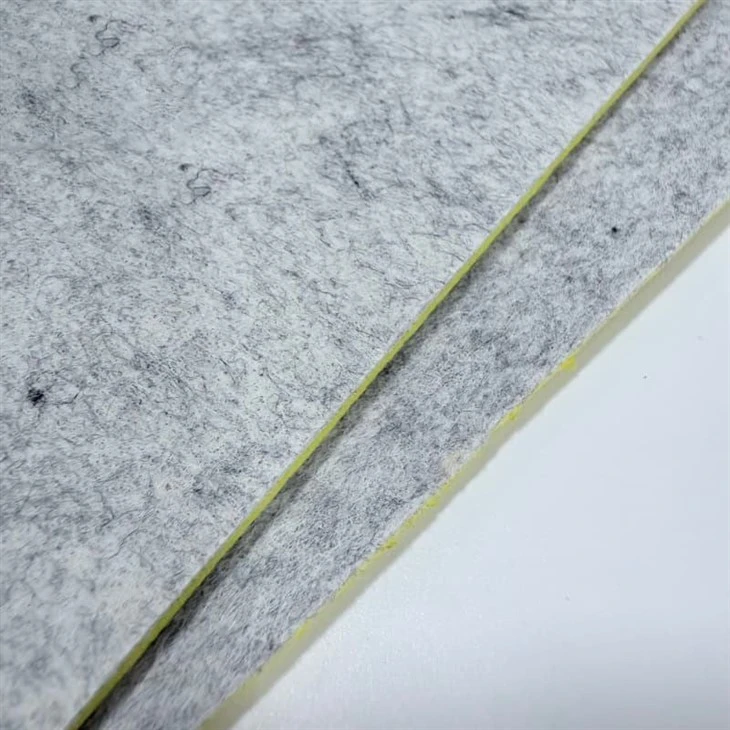
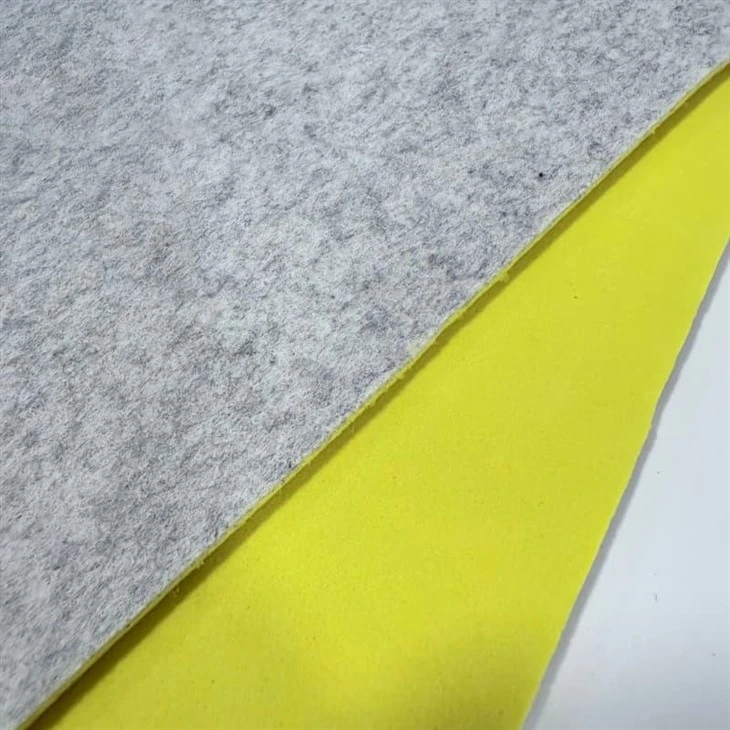
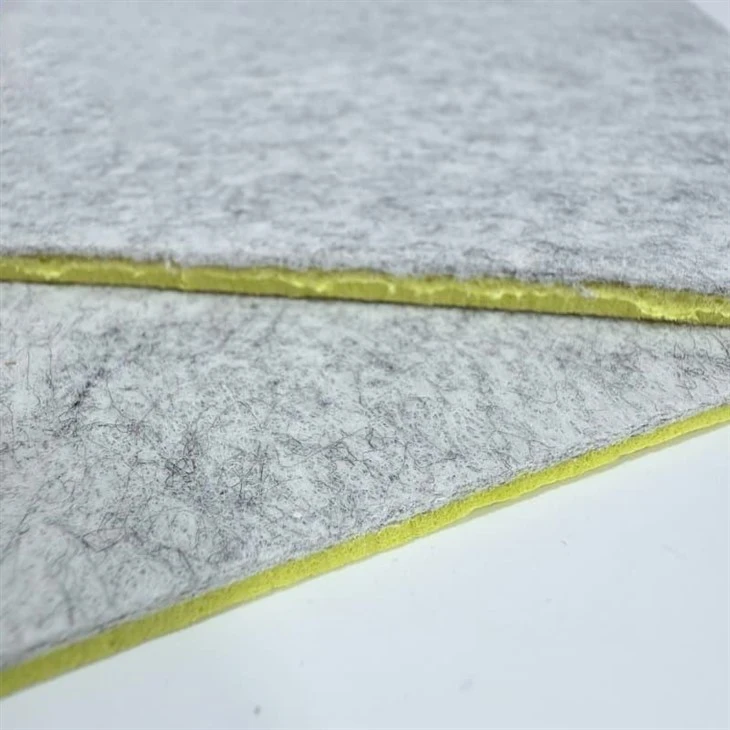
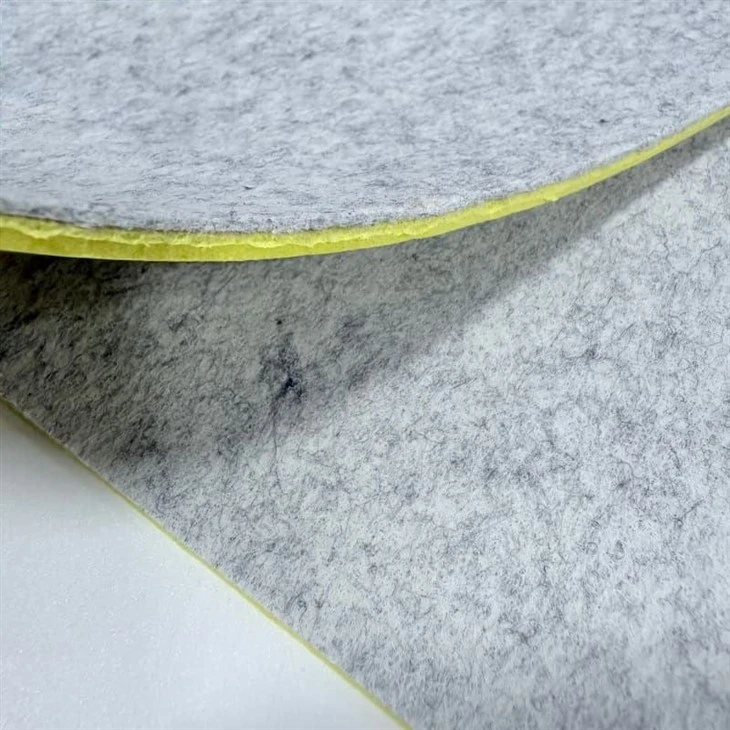
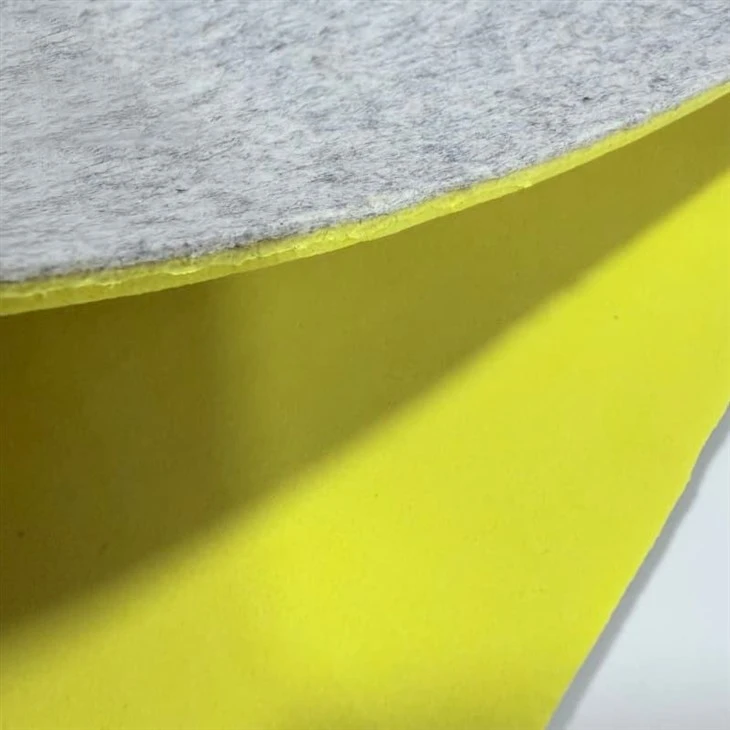
Grey nonwoven insole board with EVA is a composite industrial footbed material consisting of a grey nonwoven polyester-cellulose fiber board base laminated to a cushioning EVA foam top layer, engineered for work boots, safety footwear, and heavy-duty shoe insoles requiring structural stiffness, impact cushioning, and moisture resistance. Solamni manufactures grey nonwoven insole board with EVA in total thicknesses from 1.5 mm to 4.0 mm, with the fiber board base providing stiffness indices of 40–100 N and the EVA layer offering Asker C 40–60 cushioning with compression set below 25%, supplied in 1.0 m × 1.5 m sheets. The facility supports custom EVA density, thickness ratio, grey shade, and backing weight, with batch production from 500 kg and REACH/RoHS compliance for global industrial and work footwear manufacturers.
Technical Specifications Matrix
| Parameter | Specification |
|---|---|
| Base Material Formulation | Grey nonwoven polyester-cellulose fiber board (base layer) + EVA foam (cushion top layer); latex / resin impregnated board |
| Standard Sheet Size | 1.0 m × 1.5 m; custom sizes and continuous roll form available |
| Thickness Options | Total: 1.5 mm – 4.0 mm; board layer: 0.8 – 2.0 mm; EVA layer: 0.7 – 2.0 mm (±0.1 mm total) |
| Stiffness Index | 40 N – 100 N (cantilever deflection test, 50 mm × 200 mm specimen, board-dominant) |
| Moisture Absorption & Desorption Rate | Board layer: ≤ 8% absorption (24 h); EVA layer: ≤ 2%; desorption to equilibrium within 4 h |
| Flex Cycle Threshold | ≥ 50,000 cycles at 90° bend, no delamination between board and EVA, no fiber breakage |
| Stitch-Tear Strength | ≥ 70 N (single stitch through full composite thickness, ASTM D2261 modified) |
| EVA Layer Hardness (Asker C) | 40 – 60 (industrial / work boot grade, customizable) |
| EVA Layer Density | 0.20 – 0.35 g/cm³ |
| Interlayer Bond Peel Strength | ≥ 4 N/25 mm (board to EVA, 180° peel) |
| Compression Set (EVA Layer) | ≤ 25% (50% compression, 50°C, 6 h, ASTM D395) |
| Impact Attenuation | ≥ 25% peak force reduction (mechanical drop test, 10 kg mass, 50 mm fall - industrial grade) |
| Grammage (Total Composite) | 650 g/m² – 1,700 g/m² (thickness-dependent) |
| Color | Grey (standard industrial grey; custom Pantone shade available) |
| Surface Finish | EVA smooth / textured top; fiber board smooth bottom; optional fabric lamination on EVA side |
| Environmental Compliance | REACH SVHC, RoHS 2.0 |
Solamni's grey nonwoven insole board with EVA QC protocol is structured for industrial and work footwear applications, emphasizing compression durability, impact attenuation, interlayer bond integrity, and grey color batch consistency - the performance dimensions most critical for 8–12 hour work boot use.

The grey nonwoven fiber board is produced by carding, cross-lapping, needle-punching, and latex/resin saturation, with grey pigment added during the saturation stage for uniform through-color. The board is dried and calendared to target thickness (0.8–2.0 mm). EVA foam is compression-molded or extruded to target thickness (0.7–2.0 mm) and hardness (Asker C 40–60). The two layers are laminated using a water-based PU or hot-melt adhesive applied at 30–60 g/m² via roller coater, then pressed in a continuous belt laminator at 80–120°C under 2–4 bar pressure. The grey color is verified by inline spectrophotometer at the laminator exit, and total thickness is monitored by inline beta gauge across the full web width.
- Total thickness - micrometer, 10 points per sheet, ±0.1 mm; individual layer thickness verified by cross-section microscopy.
- Stiffness index - cantilever deflection tester, 50 mm × 200 mm specimen, force at 45° deflection.
- Moisture absorption - 24 h water immersion, weight gain; desorption timed to equilibrium at 23°C / 50% RH.
- Flex resistance - repeated 90° bend tester, 50,000 cycles, inspection for delamination at the board-EVA interface, fiber breakage, and EVA cracking.
- Stitch-tear strength - universal testing machine, single stitch at 5 mm from edge through full composite, 300 mm/min, ASTM D2261 modified.
- Interlayer bond peel strength - 180° peel, 25 mm strip, 300 mm/min, board to EVA.
- EVA hardness - Asker C durometer, 5 readings per sheet, ASTM D2240.
- EVA density - water displacement, ASTM D792.
- Compression set - EVA layer, 50% compression, 50°C, 6 h, ASTM D395.
- Impact attenuation - mechanical drop rig, 10 kg mass from 50 mm, peak force compared to rigid control; verified per batch for industrial grades.
- Grey color consistency - spectrophotometer ΔE ≤ 1.5 against approved grey master, measured at sheet beginning, middle, and end, and across 3 consecutive production batches for industrial program consistency.
- Grammage - cut 100 mm × 100 mm specimens, 5 per sheet, weighed to ±0.1 g.
Each fiber board lot is verified by FTIR for polyester/cellulose ratio and formaldehyde content below 75 ppm (ISO 14184-1). EVA foam is verified by melt flow index (190°C / 2.16 kg) and VA content. The lamination adhesive is tested for solvent residue. Finished composite is screened by GC-MS for REACH SVHC and ICP-OES for RoHS restricted elements. Third-party SGS or Intertek reports are available on request.
The plant operates 2 nonwoven carding and cross-lapping lines, 1 needle-punch line, 2 saturation impregnation lines with grey pigment dosing, 3 EVA compression molding presses, 2 continuous belt laminators, 4 sheet-cutting and slitting machines, inline beta thickness gauges, an inline spectrophotometer for grey color monitoring, a mechanical impact drop tester, and a compression set oven. This setup supports total thickness variation below 5% CV, interlayer bond consistency across the full web, and grey color ΔE ≤ 1.5 across consecutive production batches - critical for industrial programs requiring uniform appearance across large orders
Industrial Application Scenarios
Work boots and safety footwear insoles. High-stiffness, high-thickness grey nonwoven insole board with EVA (total 3.0–4.0 mm, board 1.5–2.0 mm, stiffness 70–100 N, EVA Asker C 50–60, density 0.25–0.35 g/cm³) is specified for work boots and safety shoes where insole rigidity, impact attenuation (≥ 25%), and compression resistance under heavy body weight are required for 8–12 hour standing and walking shifts. The grey color is standard for industrial footwear interiors and conceals dirt and wear.
Industrial and construction shoe insoles. Medium-high stiffness composite (stiffness 60–90 N, total 2.5–3.5 mm, EVA Asker C 45–55) is used for construction, warehouse, and logistics footwear, providing a balance of cushioning and structural support on hard concrete floors. The low moisture absorption of both layers (board ≤ 8%, EVA ≤ 2%) prevents insole warping in wet work environments.
Heavy-duty casual and hiking boot insoles. Medium stiffness composite (stiffness 50–80 N, total 2.0–3.0 mm, EVA Asker C 40–50) is used for hiking boots, outdoor footwear, and heavy-duty casual shoes, providing underfoot cushioning and support on uneven terrain. The EVA layer absorbs impact during hiking, and the fiber board base distributes pressure across the midsole.
Military and tactical boot insoles. High-stiffness, high-durability composite (stiffness 80–100 N, total 3.0–4.0 mm, high latex impregnation board, EVA Asker C 50–60) is used for military and tactical boot insoles, where reliability under extreme conditions and long marches is required. The composite passes 50,000 flex cycles without delamination and maintains performance in temperature extremes.
Aftermarket work insole brands. Solamni supplies grey nonwoven insole board with EVA to aftermarket work insole brands, industrial safety distributors, and orthotic work insole manufacturers. The composite sheet is die-cut to standard work boot sizes (EU 38–48, US men's 6–14), and the EVA surface can be textured or covered with a top fabric for branded retail packaging.
Orthotic work insoles. High-stiffness grades (80–100 N) serve as base plates for custom orthotic work insoles, where the rigid fiber board base provides a stable platform for arch support postings and the EVA layer adds cushioning. The composite can be heat-molded or ground to custom contours at the orthotic laboratory.
F A Q

Q1: What insole specifications are required for work boots intended for 8–12 hour standing on hard surfaces?
A1: For 8–12 hour work boot use on concrete or hard industrial floors, specify a total thickness of 3.0–4.0 mm with a 1.5–2.0 mm fiber board base (stiffness 70–100 N) and a 1.5–2.0 mm EVA cushion layer (Asker C 50–60, density 0.25–0.35 g/cm³). The high stiffness prevents insole collapse and foot fatigue under prolonged standing, while the EVA layer provides ≥ 25% impact attenuation to reduce heel and knee stress. Compression set must be ≤ 25% (50°C, 6 h) to ensure the cushioning does not permanently flatten within the first 3–6 months of use. For lighter-duty work environments (6–8 hour shifts, mixed sitting/standing), a 2.5–3.0 mm total thickness with stiffness 60–80 N and EVA Asker C 45–55 is sufficient and reduces insole cost by 10–15%. We provide a work-boot insole specification sheet with recommended parameters by industry sector (construction, warehouse, healthcare, manufacturing).
Q2:How should EVA layer density and hardness be selected for weight-bearing work boot insoles versus comfort-focused casual insoles?
A2: For weight-bearing work boots (body weight above 80 kg or heavy tool belts), specify EVA density 0.28–0.35 g/cm³ and Asker C 50–60. The higher density and hardness resist compression set under heavy loads and maintain cushioning performance over a 6–12 month service life. For average-weight work boot users (60–80 kg), density 0.22–0.28 g/cm³ and Asker C 45–55 provide adequate support with better initial comfort. For comfort-focused casual and lifestyle insoles, use lower density EVA (0.15–0.22 g/cm³) and Asker C 35–45 for a softer, more plush feel, accepting higher compression set (30–35%) and shorter service life (3–6 months). The fiber board base stiffness should be selected independently based on required structural support - work boots require 70–100 N, casual shoes 40–70 N. EVA hardness below Asker C 40 in work boot applications increases the risk of rapid compression set and bottoming-out (foot contacting the rigid board base), reducing long-term comfort. For mixed-weight work programs, we recommend Asker C 50 as a default middle-ground specification.
Q3: How is grey color consistency controlled across large industrial work boot orders, and what is the minimum order?
A3: Grey color consistency is controlled through three measures: (1) grey pigment is dosed into the latex/resin saturation bath via a precision metering pump, with the bath concentration verified by gravimetric sampling every 30 minutes; (2) an inline spectrophotometer monitors grey color at the laminator exit, and any sheet exceeding ΔE 1.5 from the approved master is flagged and quarantined; (3) for large industrial programs (above 5,000 kg), we retain a locked grey master standard and verify every production batch against it, ensuring ΔE ≤ 1.5 across consecutive batches. This level of consistency is critical for work boot programs where insoles from multiple production batches must match visually when assembled into the same shoe style. Standard grey nonwoven insole board with EVA has a 500 kg MOQ and ships in 10–12 days. Custom grey Pantone shade, EVA hardness outside 40–60 Asker C, or stiffness outside 40–100 N requires 1,000 kg MOQ and 15–20 day lead time. For industrial program setup, grey master standard approval, and sample evaluation, contact our English-speaking technical engineer Jason Lee directly.
今天 15:57
Products Shows


in one-stop service
We specialize in providing material high-quality for industrial applications. Our focus on B2B sourcing ensures that you get the best prices for large orders, with the flexibility to customize the fabric to meet your specific needs. Whether you require bulk quantities for production or specialized orders, we can help you achieve your goals with fast delivery and exceptional customer support.
- Bulk Sourcing: Competitive pricing for large-scale orders.
- Customization: Flexible solutions tailored to your industry needs.
- Global Shipping: Fast, reliable delivery to international markets.
- High-Quality Standards: Rigorous testing and quality assurance to ensure performance and durability.

Solamni has specialized in synthetic materials for footwear, apparel and furniture in China for more than 15 years. We own factories producing TPU film and synthetic leather, and maintain long-term stable partnerships with numerous upstream material manufacturers. We are dedicated to supplying high-quality textile materials to outstanding enterprises across diverse industries.
Our address
No. 6, Cuiyuan 3rd Road, Feicuiyuan, No. 838, Donghai Street, Bincheng Community, Donghai Street, Fengze District, Quanzhou City, Fujian Province.
Phone Number
+8615905059552
Email:ace04@eurus-cn.com

Frequently Asked Questions
Q:How long is your production & shipping turnaround?
+
-
A: It takes 25-35 days to complete production and delivery after all details are finalized.
Q:What regular payment terms do you apply?
+
-
A: Terms vary by order size: either 30% pre-payment + 70% shipment-stage payment, or a 50% / 50% prepayment and shipment payment split.
Q:Accepted payment ways?
+
-
A: We support T/T, PayPal, Western Union and other options. A 30% deposit is needed upfront, and outstanding payment must be made before shipping.
Q: Sample ordering instructions
+
-
A: Complimentary samples can be dispatched in 3-5 working days once all sample requirements are confirmed.
Solamni Import And Export Co., Ltd.
We sincerely welcome friends from all over the world to cooperate with us on the basis of long-term mutual benefits. We are looking forward to receiving your enquiries soon.
Email:ace04@eurus-cn.com Phone+8615905059552
Whatsapp+8615905059552
Hot Tags: grey nonwoven insole board with eva, China grey nonwoven insole board with eva suppliers, factory, cushioned insole board, insole for heel spurs, insole for muscle fatigue, insole for shoe depth, insole for winter boots, insole to absorb impact


