

Hey there! As a ball leather supplier, I've been getting a lot of questions lately about the heat resistance of ball leather. So, I thought I'd take a deep dive into this topic and share everything I know with you.
First off, let's talk about why heat resistance matters. Whether it's a soccer ball on a scorching summer field, a rugby ball being used in a hot tournament, or a ball used in other sports, the leather needs to withstand high temperatures. If the leather doesn't have good heat resistance, it can start to deteriorate, lose its shape, or even develop cracks. This not only affects the performance of the ball but also its lifespan.
There are different types of ball leather, and each has its own level of heat resistance. One of the popular types is PU leather. PU, or polyurethane, is a synthetic material that's widely used in ball manufacturing. It has some great advantages when it comes to heat resistance.
PU leather is designed to be durable and can handle a fair amount of heat. It doesn't absorb heat as quickly as some natural leathers, which means it won't get as hot to the touch. This is important because when a ball gets too hot, it can become sticky, and that can affect how it's handled during a game. For example, a soccer player might find it harder to control a sticky ball, and a rugby player might have trouble gripping it properly.
Another thing about PU leather is that it doesn't warp or shrink as easily as natural leather when exposed to heat. Natural leather can dry out and become brittle in high temperatures, but PU leather maintains its flexibility. This is crucial for the ball to keep its shape and bounce characteristics.
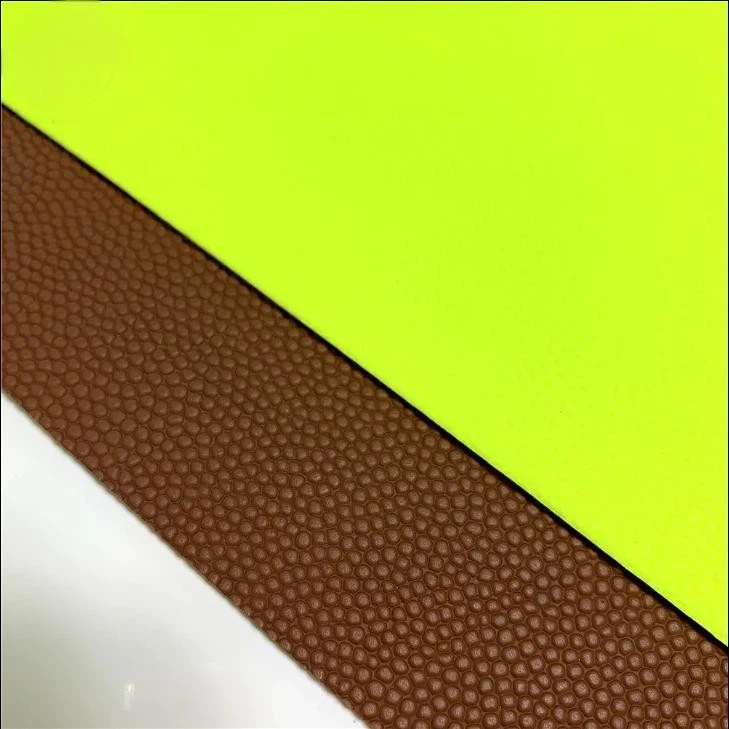
If you're interested in PU leather balls, we have some great options. Check out our Customized Embossed Upholstery Fabric Ball Leather For World Cup Competition. This leather is not only embossed for a unique look but also has excellent heat resistance, making it perfect for high - profile competitions where the ball will be used in various conditions.
We also have PU Leather Rugby Leather Ball. Rugby is a rough and tumble sport, and the ball needs to be tough. Our PU leather rugby balls can withstand the heat of a long - played game, even on a hot day. The heat resistance ensures that the ball remains in good condition throughout the match.
Now, let's talk about the factors that can affect the heat resistance of ball leather. The thickness of the leather plays a role. Thicker leather generally has better heat resistance because it takes longer for the heat to penetrate through the material. However, it's a balance because if the leather is too thick, it can make the ball heavier and affect its performance.
The manufacturing process also matters. The way the leather is treated and coated can enhance its heat - resistant properties. For example, some coatings can act as a barrier against heat, preventing it from reaching the inner layers of the leather.
The environment in which the ball is used is another important factor. If a ball is constantly exposed to direct sunlight in a hot climate, it will face more heat stress than a ball used in a shaded or cooler area. That's why it's important to choose a ball with appropriate heat resistance based on where it will be used.
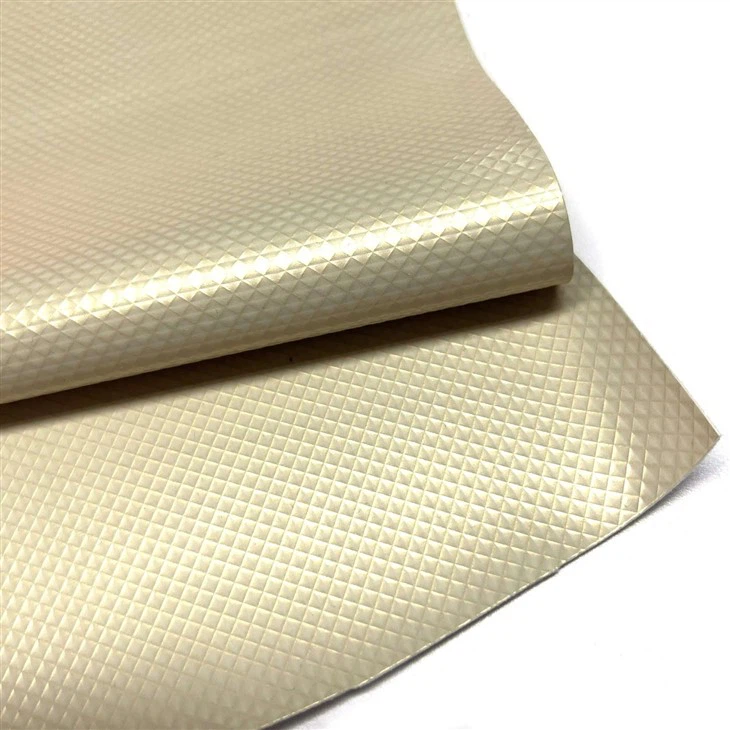
We also offer Textured Faux PU Leather Fabric For Ball Shoes Car Interior Sueded Lining. This textured leather is not only great for ball shoes but also has good heat - resistant properties. It can be used in various applications where heat resistance is a concern.
When it comes to testing the heat resistance of ball leather, we use some standard methods. We expose the leather samples to different levels of heat in a controlled environment and measure how they react. We look for changes in color, texture, and shape. We also test the ball's performance before and after the heat exposure to see if there are any significant differences.
So, if you're in the market for ball leather with good heat resistance, we've got you covered. Our products are carefully tested and manufactured to meet the highest standards. Whether you're a sports equipment manufacturer looking for reliable ball leather or an individual looking to buy a high - quality ball, we can provide you with the right solution.
If you're interested in learning more about our ball leather products or want to discuss a potential purchase, don't hesitate to reach out. We're here to answer all your questions and help you find the perfect ball leather for your needs.
References:
- Leather Industry Handbook: This handbook provides in - depth information about different types of leather and their properties, including heat resistance.
- Sports Equipment Research Journals: These journals often publish studies on the performance of sports balls, including how heat affects their leather components.


