

PU foil printing on leather is a specialized process that combines the durability and flexibility of PU leather with the aesthetic appeal of foil printing. As a supplier in this field, I understand the importance of creating an optimal workplace environment to ensure high - quality results. In this blog, I will discuss the key requirements for the workplace environment in PU foil printing on leather.
Temperature and Humidity Control
Maintaining the right temperature and humidity levels is crucial in PU foil printing on leather. The ideal temperature range for this process is typically between 20°C and 25°C (68°F - 77°F). At this temperature, the PU leather and the foil material are in an optimal state for adhesion. If the temperature is too low, the foil may not adhere properly to the leather surface, resulting in poor print quality or even foil peeling off. On the other hand, if the temperature is too high, the PU leather may deform, and the foil may over - melt, causing uneven printing.
Humidity also plays a significant role. A relative humidity level of around 40% - 60% is recommended. High humidity can cause the leather to absorb moisture, which may affect its texture and the adhesion of the foil. Excess moisture can also lead to the growth of mold and mildew, which is not only harmful to the leather but also to the health of the workers. Low humidity, on the contrary, can make the leather dry and brittle, increasing the risk of cracking during the printing process.
Ventilation
Good ventilation is essential in a PU foil printing workplace. The printing process often involves the use of solvents and inks, which can release volatile organic compounds (VOCs). These VOCs are harmful to human health and can cause respiratory problems, headaches, and dizziness. Adequate ventilation helps to remove these harmful fumes from the workplace, ensuring a safe and healthy working environment.
A ventilation system should be designed to provide a continuous supply of fresh air and effectively exhaust the polluted air. This can be achieved through the installation of exhaust fans, air ducts, and air filters. In addition, the workplace should be well - sealed to prevent the entry of outside pollutants and to ensure the proper functioning of the ventilation system.
Lighting
Proper lighting is necessary for accurate color matching and quality control in PU foil printing on leather. The workplace should be illuminated with bright, uniform light. Natural light is the best option, but since it is not always available, artificial lighting can be used. LED lights are a popular choice as they provide bright, white light that closely resembles natural light.

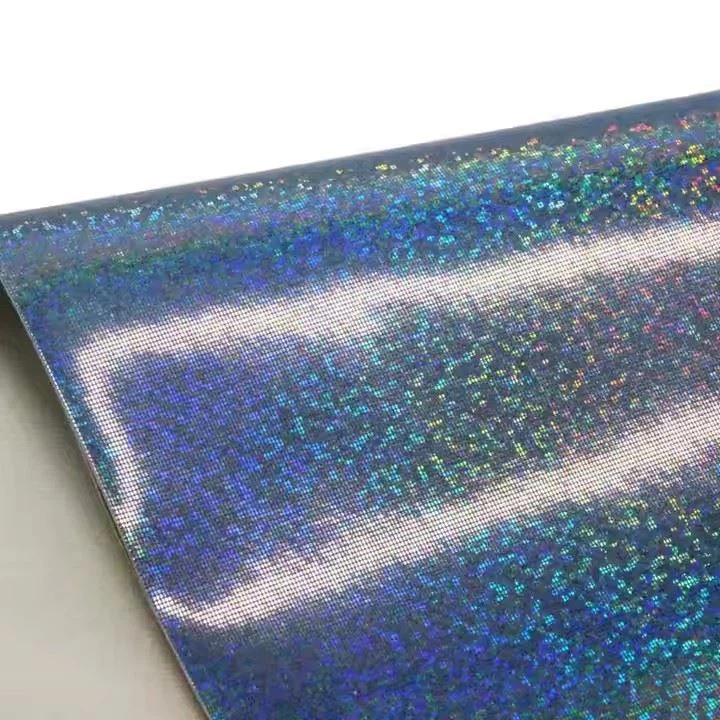
The lighting should be evenly distributed throughout the workplace to avoid shadows. This is particularly important when inspecting the printed leather for any defects, such as uneven foil application or color variations. Insufficient lighting can lead to missed defects, resulting in lower - quality products being shipped to customers.
Cleanliness
A clean workplace is essential for the success of PU foil printing on leather. Dust, dirt, and other contaminants can adhere to the leather surface, affecting the adhesion of the foil and the overall print quality. Therefore, the workplace should be kept clean at all times.
Regular cleaning of the work surfaces, equipment, and floors is necessary. This can be done using vacuum cleaners, damp mops, and cleaning agents specifically designed for use in a printing environment. In addition, workers should wear clean clothing and gloves to prevent the transfer of dirt and oils from their hands to the leather.
Equipment Placement and Maintenance
The proper placement of equipment is important for the efficiency and safety of the PU foil printing process. The printing machines, cutting tools, and other equipment should be arranged in a logical and organized manner. This allows for easy access to the equipment and minimizes the risk of accidents.
Regular maintenance of the equipment is also crucial. The printing machines should be cleaned, lubricated, and calibrated regularly to ensure their proper functioning. Faulty equipment can lead to poor print quality, production delays, and increased costs. Workers should be trained on the proper use and maintenance of the equipment to prevent any misuse or damage.
Noise Control
The PU foil printing process can be noisy, especially when using high - speed printing machines. Excessive noise can cause hearing damage to the workers and also affect their concentration and productivity. Therefore, noise control measures should be implemented in the workplace.
This can include the installation of sound - absorbing materials on the walls and ceilings, the use of noise - reducing enclosures around the printing machines, and the provision of ear protection for the workers. By reducing the noise level, a more comfortable and productive working environment can be created.
Safety Measures
Safety should be a top priority in a PU foil printing workplace. Workers should be provided with appropriate personal protective equipment (PPE), such as safety glasses, gloves, and respirators. The workplace should also be equipped with fire extinguishers, first - aid kits, and emergency exits.
Training on safety procedures should be provided to all workers. They should be educated on how to handle the chemicals and solvents safely, how to operate the equipment without causing any harm, and what to do in case of an emergency. Regular safety inspections should be conducted to identify and address any potential safety hazards.
Material Storage
Proper storage of the PU leather and foil materials is essential to maintain their quality. The leather should be stored in a cool, dry place away from direct sunlight. It should be stacked neatly on pallets or shelves to prevent any deformation.
The foil materials should also be stored in a suitable environment. They should be protected from moisture, heat, and dust. Foil rolls should be stored vertically to prevent them from sagging or wrinkling.
Quality Control Area
A dedicated quality control area should be set up in the workplace. This area should be well - lit and equipped with the necessary tools for inspecting the printed leather. Quality control personnel should be trained to check the print quality, color accuracy, and adhesion of the foil. Any defective products should be identified and removed from the production line immediately.
In conclusion, creating an optimal workplace environment is essential for high - quality PU foil printing on leather. By controlling the temperature and humidity, ensuring good ventilation, providing proper lighting, maintaining cleanliness, properly placing and maintaining equipment, controlling noise, implementing safety measures, storing materials correctly, and setting up a quality control area, we can produce high - quality products that meet the needs of our customers.
If you are interested in our New Design Metal Foiled 0.9mm Pu Synthetic Leather For Bags Shoes, or need a Best Hot Foil Stamping Machine for Leather, or want Customization Gold Foil Embossing Leather For Bag Shoe, please feel free to contact us for procurement and negotiation. We are committed to providing you with the best products and services.
References
- ASTM International. Standards related to leather and synthetic leather materials.
- Occupational Safety and Health Administration (OSHA). Guidelines for workplace safety and environmental control.
- Printing industry magazines and journals for best practices in foil printing.


