

Mold growth on PU automotive leather fabric can be a significant concern for both suppliers and customers. As a supplier of high - quality PU automotive leather fabric, I understand the importance of preventing mold to maintain the integrity and appearance of our products. In this blog, I will share some effective strategies to prevent mold growth on PU automotive leather fabric.
Understanding the Causes of Mold Growth
Before we discuss prevention methods, it's essential to understand what causes mold to grow on PU automotive leather fabric. Mold thrives in environments that are warm, damp, and dark. When PU leather is exposed to high humidity levels for extended periods, it creates an ideal breeding ground for mold spores. These spores are present in the air and can settle on the leather surface. If the conditions are right, they will start to grow and spread, causing discoloration, unpleasant odors, and even structural damage to the leather.
Another factor that can contribute to mold growth is poor ventilation. In enclosed spaces such as car interiors, especially when the vehicle is parked for long periods without proper air circulation, moisture can accumulate, leading to mold development. Additionally, if the leather comes into contact with water or other liquids and is not dried promptly, it can also increase the risk of mold growth.
Proper Storage
One of the most crucial steps in preventing mold growth is proper storage of the PU automotive leather fabric. When storing the leather, it should be kept in a cool, dry place with good ventilation. Avoid storing the leather in basements, attics, or other areas that are prone to high humidity. If possible, use a dehumidifier in the storage area to maintain the relative humidity below 50%.
It's also important to store the leather away from direct sunlight and heat sources. Prolonged exposure to sunlight can cause the leather to dry out and become brittle, while excessive heat can accelerate the growth of mold. When stacking the leather rolls, make sure there is enough space between them to allow for air circulation.

Cleaning and Maintenance
Regular cleaning and maintenance of the PU automotive leather fabric are essential to prevent mold growth. Use a mild, pH - neutral cleaner specifically designed for PU leather. Avoid using harsh chemicals or abrasive cleaners, as they can damage the leather surface and make it more susceptible to mold.
When cleaning the leather, first remove any loose dirt or debris with a soft brush or a microfiber cloth. Then, dampen the cloth with the cleaner and gently wipe the leather surface in a circular motion. Pay special attention to areas that are prone to moisture accumulation, such as seams and crevices. After cleaning, use a dry cloth to remove any excess moisture.
It's also a good practice to condition the leather periodically. Leather conditioners help to keep the leather supple and prevent it from drying out, which can reduce the risk of mold growth. Choose a conditioner that is compatible with PU leather and follow the manufacturer's instructions for application.
Moisture Control in Vehicles
For customers who use our PU automotive leather fabric in their vehicles, it's important to control moisture inside the car. One way to do this is by using a moisture absorber. There are various types of moisture absorbers available on the market, such as silica gel packets or activated charcoal bags. Place these absorbers in the car, especially in areas where moisture tends to accumulate, such as under the seats or in the trunk.
Another important aspect is to keep the car windows slightly open when parked in a well - ventilated area. This allows for air circulation and helps to reduce humidity levels inside the car. If the car has a built - in ventilation system, make sure it is functioning properly and use it regularly.
Quality of the Leather
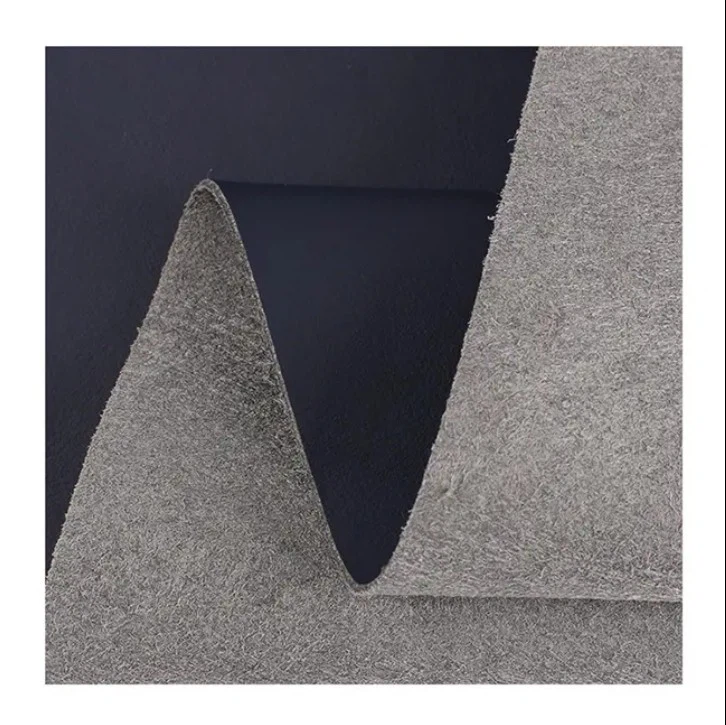
As a supplier, we take great pride in the quality of our PU automotive leather fabric. High - quality leather is less likely to develop mold compared to low - quality alternatives. Our PU Automotive Leather By The Yard is made using advanced manufacturing techniques and high - grade materials. This ensures that the leather has good resistance to moisture and mold.
We also offer a range of specialized leather products, such as the High - gloss Pattern Pvc Synthetic Leather Animal Pattern Shoes Bags And Bags Faux Leather Fabric and Scratch Resistant Faux Leather Eco - Friendly Abrasion - resistant Litchi Grain Imitation Leather For Car Seats Fabric. These products are designed to be durable and resistant to various environmental factors, including mold.
Regular Inspections
Regular inspections of the PU automotive leather fabric are crucial to detect any signs of mold growth early. Check the leather for any discoloration, musty odors, or visible mold spots. If you notice any of these signs, take immediate action to address the problem.
If mold is detected, clean the affected area immediately using a mold - specific cleaner. Make sure to follow the instructions on the cleaner carefully and wear protective gloves and a mask to avoid inhaling mold spores. After cleaning, dry the area thoroughly and take steps to prevent future mold growth.
Conclusion
Preventing mold growth on PU automotive leather fabric is essential to maintain its quality and appearance. By following the strategies outlined in this blog, including proper storage, cleaning and maintenance, moisture control, using high - quality leather, and regular inspections, you can significantly reduce the risk of mold development.
As a supplier of PU automotive leather fabric, we are committed to providing our customers with the best products and solutions. If you are interested in purchasing our high - quality PU automotive leather fabric or have any questions about mold prevention, please feel free to contact us for a procurement discussion. We look forward to serving you and meeting your automotive leather needs.
References
- "Leather Care Guide" by Leather Industries of America
- "Mold Prevention in Indoor Environments" by the United States Environmental Protection Agency
- "Automotive Interior Materials and Their Performance" by SAE International


